
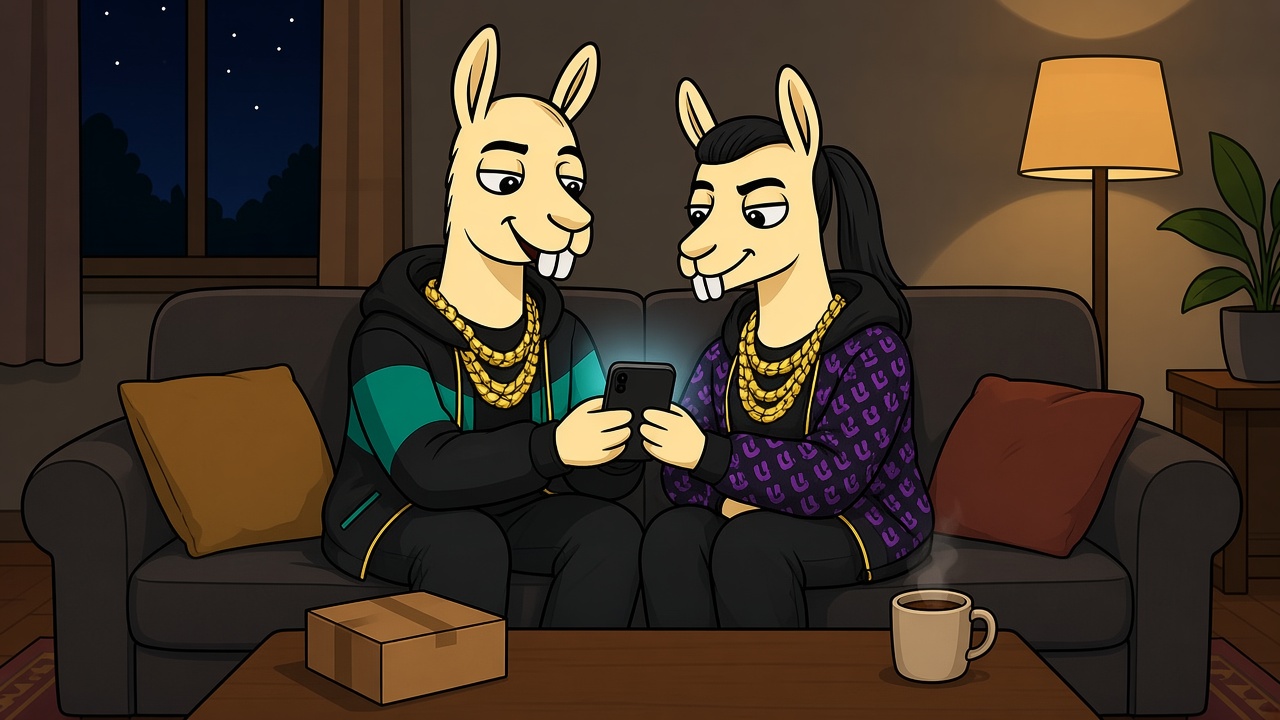
Someone put your product in a cart and left. They may have been checking the shipping cost, comparing a second tab, or waiting for payday. One email can finish that. Five emails with a countdown you invented will train them to distrust the shop. Send one note, with the photo of the exact thing they picked, the price they saw, and a sentence about where the box can go. Then stop.
Neurollamas is an AI marketing studio for product shops and creators. The photo in that email has to be the same object as the page, made and kept with the rest of the brand at neurollamas.com. A prettier substitute is a different order.
What the email is allowed to contain
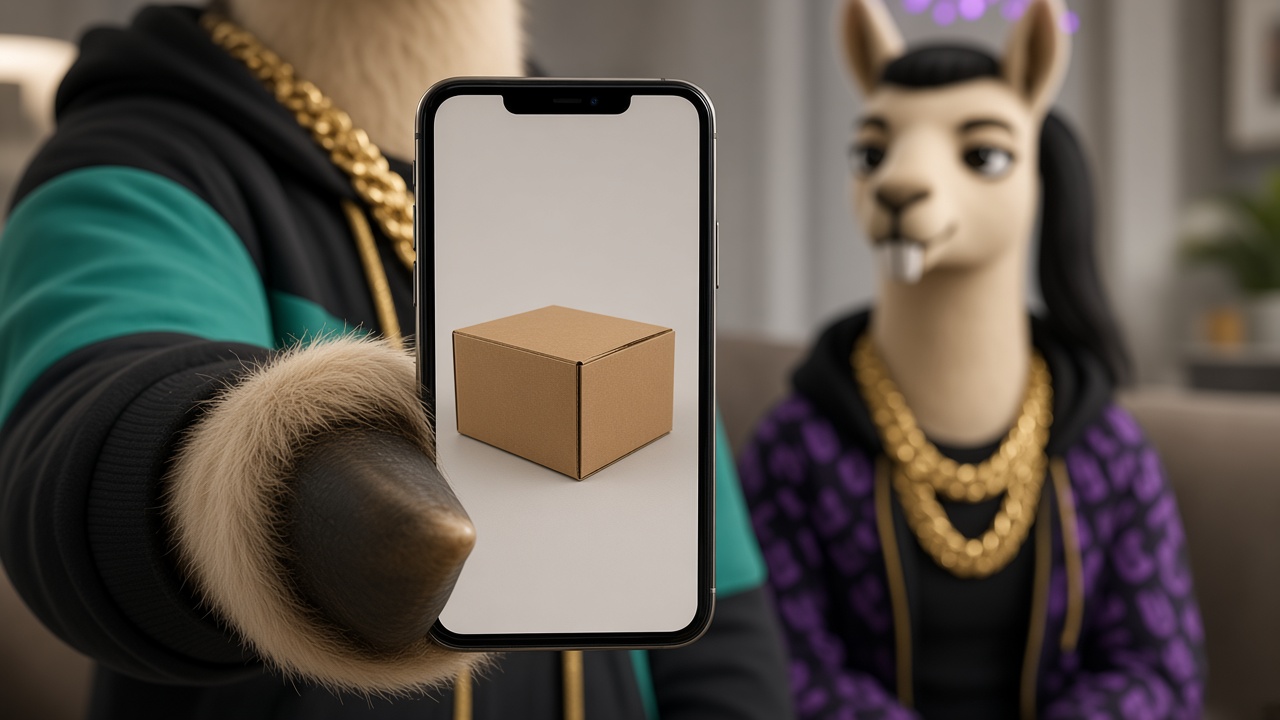
Write it like a person who noticed, not like a funnel:
- Subject: the product name, plain. “Your sage mug is still in the cart.” Not “You left something behind 👀” and not “FINAL HOURS.”
- The photo of that SKU, the same file as the page. If the cart had two things, show both, labeled. Do not swap in a hero image from another color.
- The price they would pay now, including whether tax is added at the next step. If you changed the price since they left, say the new price. Do not imply the old one.
- One ship sentence copied from where you actually ship. “We ship to all 50 US states. The label is calculated at checkout.” If you do not ship to them, this email should not pretend you might.
- One link back to the cart or the product. Not three, not a newsletter signup, not a survey.
Send it once, a few hours after they leave, or the next morning if they left at night. A second note is optional and should add a fact, not a threat: the care line, the size, the date you stop packing for a holiday. A fake “only 2 left” when you have a full shelf is a lie a US buyer will screenshot. If only two are left, you may say so, and you have to mean it.
The box in the email is the box you can label
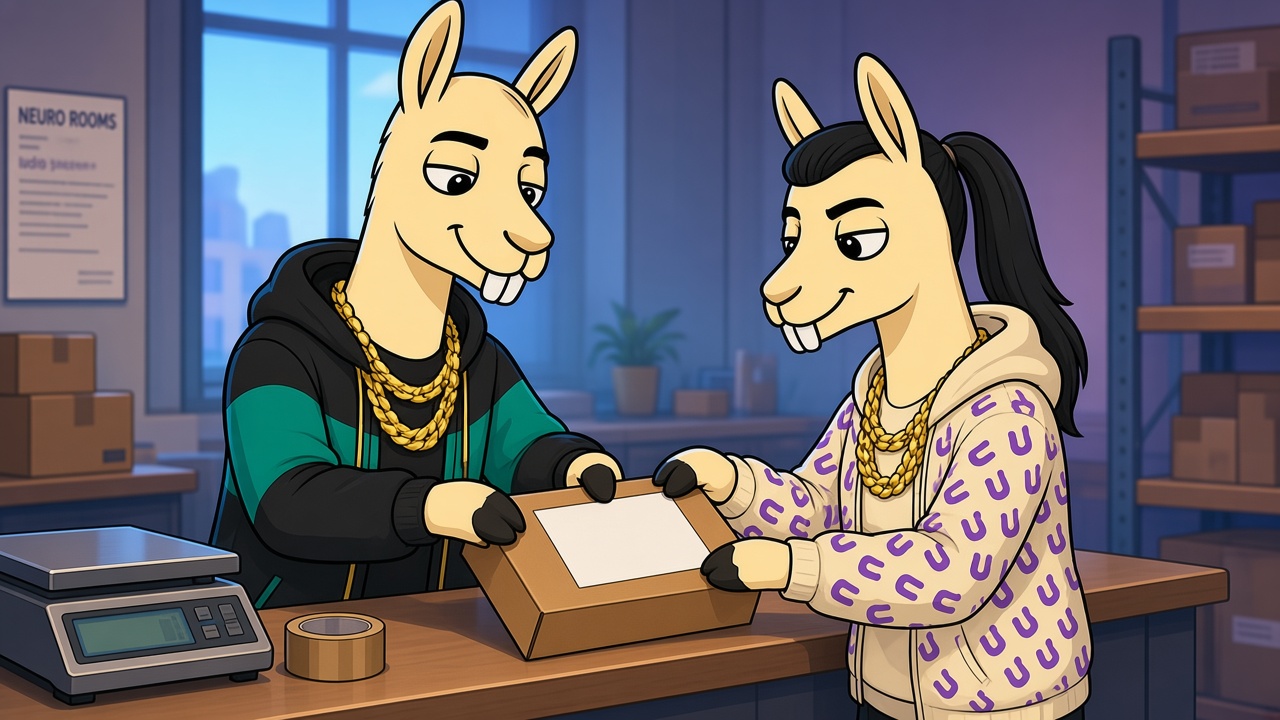
Cart emails fail when they answer a question the checkout will contradict. Read yours against a real session:
- Put a US address in the checkout. Does the rate appear, and does the email’s “ships to the US” still hold?
- Does the photo match the variant? A gold chain in the email and a silver chain in the cart is how you buy a chargeback.
- If you mention a discount, it has to be a code that works today, for this product, without a minimum you hid. Otherwise leave the discount out. The price post, when to put the price in the caption, is the same honesty in another channel.
- If the product is a liquid, a battery, or anything a carrier refuses, do not write “worldwide” in a template you reuse. Those exceptions belong on the product, as in the packing note at what ships in the box.
Keep the ship sentence and the product title on the brand profile. The email template should pull those lines, not a version someone typed to sound warmer. “We’d love to get this treasure to your door, wherever you are” is the sentence that creates a ticket from a country you do not serve.
A draft you can send
Subject: Your 18-inch gold-filled chain is still in the cart
You left the Harbor & Co. gold-filled chain necklace, 18 inch, in your cart. It is $64 before tax and shipping. We ship to all 50 US states, and the label is calculated when you check out. We pack in two business days. If this was a mistake, you can ignore this note. We will not send a stack of reminders.
Return to the cart: [one link]
Change the name, the length, the price, and the zone. Delete any sentence you would not say at the counter. Do not add “people like you also bought” unless you are prepared for that click to replace the thing they already wanted. The point of this email is to finish their decision, not to open a new one.
Questions before the template goes live
How many emails are polite?
One. A second is allowed if it adds the size, the material, or a real deadline you already published, such as a packing cutoff. A daily sequence with new fake urgency is how a small shop starts to look like a brand people filter. If they wanted a relationship, they have the order confirmation after they pay.
Should I put a discount in the first email?
Not by default. You teach people to abandon the cart and wait. Use a code only when you were already going to run that offer in public, and say the end date you will keep. A private code that appears only after abandonment is a second price list.
What if they checked out as a guest and I have no email?
Then you do not have this tool. Do not buy a list. The photo and the ship line still belong on the product page, where the next stranger can see them without a reminder. The page that matches the post is doing the job the email cannot.
Can the photo be a generated scene?
Only if the product in the scene is the SKU they carted, checked against the real object. A generated lifestyle that changes the clasp is not a helpful reminder. It is a different necklace. The clean photo from the Shopping file is the safest picture to put in the email. Use the life-of-the-product shot on the page below it.
Read it the way a phone in another state will
Open the draft on a phone, not on the wide preview in your email tool. The subject has to name the product before it gets cut off. “Your 18-inch gold-filled chain is still in the cart” survives a narrow screen better than a sentence about your feelings. The photo should load as the product, not as a tiny logo above three banners. One link, large enough to tap. The ship sentence visible without a scroll past a manifesto.
Then place a test order path with a US address you can actually check:
- Add the SKU. Leave. Confirm the email that arrives is this one, not an old template that still says free worldwide shipping.
- Click the link. It should open the cart with that SKU, or the product if the cart expired. It should not open the homepage.
- Change the price in the store, then trigger another test. The email must show the new price. If your tool caches the old number, fix the tool before you send the note to real people.
- Look at the from-name. It should be the brand on the box, so the message is not filtered as a stranger. Do not buy a list of people who never visited. This email is for the person who already put the object in a cart.
If you sell to other countries, the test address should include one country you claim to serve and one you do not. The second person should not get a cheerful note that the checkout will reject. Suppress the email, or tell the truth in the first line. A recovered cart that cannot be paid is not revenue. It is a support ticket from a buyer who did what you asked.
Count recovered carts that actually paid, not opens. An open from someone who could not check out is not a US sale. If the one honest email recovers fewer people than the five-email sequence, look at the photo and the ship line before you add the pressure back. Most of the time the cart died because the cost of the label appeared late, or the picture was a different color. Fix that on the product page. The email cannot apologize for a surprise the page created.
Turn the sequence down to one email this week. Put the real title in the subject, the real photo in the body, and the real countries in one line. Then leave them alone.