
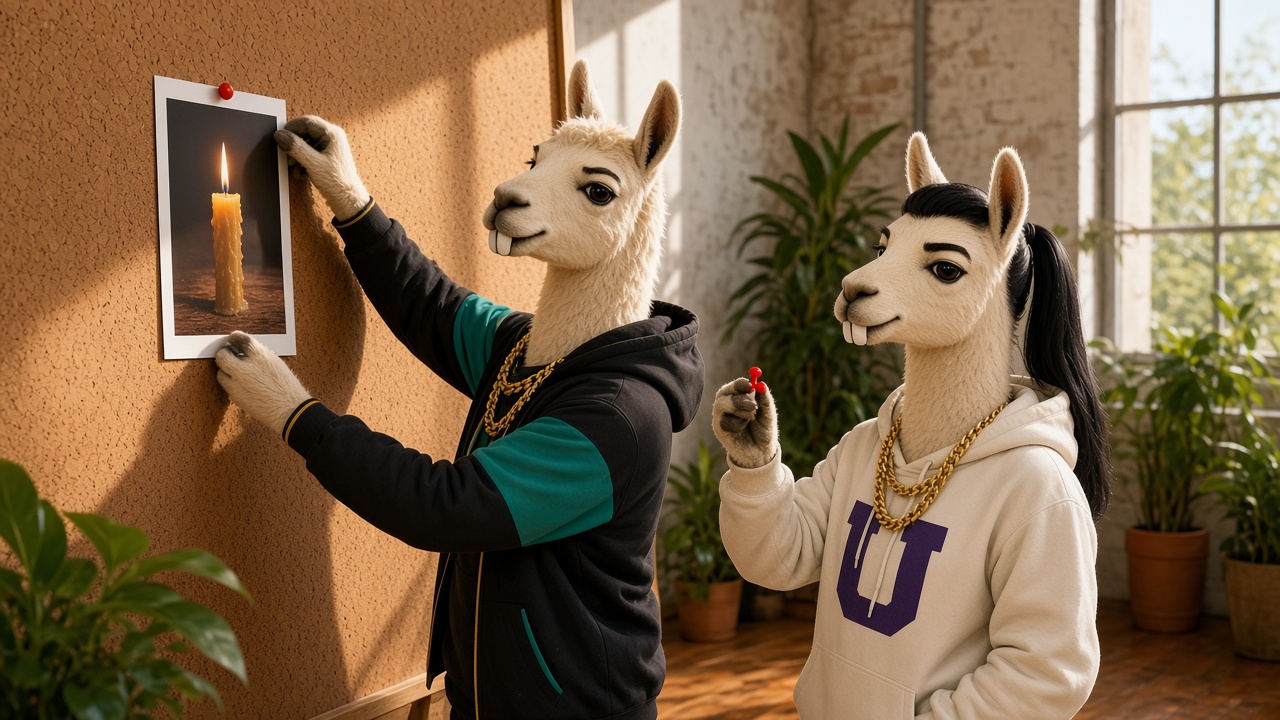
Pinterest is a search box that happens to look like a moodboard. A person in the United States types “beeswax candle gift” or “sage ceramic mug” and saves a tall picture. If that picture links to your homepage, they leave. If it links to the product, and the product is the thing in the picture, you have a chance at the order. The pin is not a second Instagram grid. It is a result.
Neurollamas is an AI marketing studio for product shops and creators. The picture and the title that have to agree live at neurollamas.com, with the rest of the product’s facts. A pretty pin of a candle you no longer make is a broken result.
Make it tall, and make the product the subject
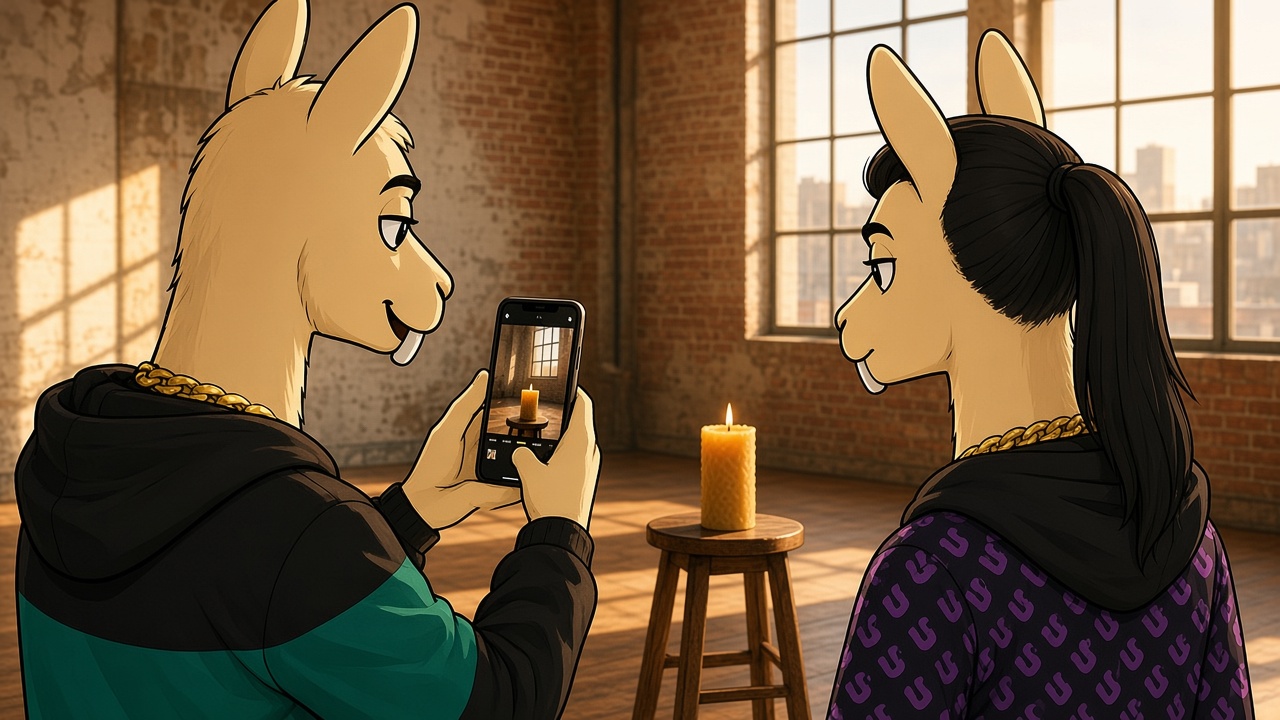
A useful pin for a shop is about twice as tall as it is wide. People still export around 1000 by 1500 pixels, a 2:3 frame. Confirm the current size in Pinterest’s own spec when you upload, because the number moves and the shape does not: tall, one product, readable on a phone.
- One SKU fills the frame. A flat lay of eight products is a collage, and the click does not know which URL to trust.
- The link is the product URL, not the homepage, not a Linktree, not a highlight. The page should be the one that matches the photo.
- Words go in the pin title and the description, where search can read them. A short label on the image is optional. A paragraph baked into the picture becomes garbage if you generate it, and it fights the clean file you may be tempted to reuse. Do not put “SALE” on the image and call it a pin.
- The title is the search, the same noun as the product title. “Beeswax pillar candle, 3 inch” beats “cozy night in.”
Shoot or generate the tall frame from the real candle. If you generate it, attach the product reference. A candle that changed color to match a trend board is a different SKU, and the person who clicks will say so.
Write the pin the way they search
Pin title: “Beeswax pillar candle, 3 inch, unscented.”
Description: “Unscented beeswax pillar, about 3 inches tall, cotton wick. $18. We ship to all 50 US states. The label cost is calculated at checkout. Not a scented jar candle.”
Change every fact. The ship line is the same one as where you ship. A pin that says worldwide, for a shop that ships one country, will collect saves from people you cannot serve, and those saves do not become a healthy shop. They become confusion.
Put the title on the brand profile so the next pin does not get a new adjective. Five pins of the same candle, with five nicknames, split the search. One name, repeated, is how a small catalog gets recognized.
A board called “Candles” is enough. A board called “vibes” is a drawer. If you sell three categories, make three boards named with nouns: candles, chains, bags. The cover of the board can be the clean product, not a quote card.
What not to pin this month
- A screenshot of a Reel with captions in the frame and a logo watermark.
- A collage that includes a product you are sold out of, unless the pin says sold out and links to the restock note in the restock post.
- Someone else’s viral still with your URL pasted on it. The cafe bag shape, if you use it, has to be your object, as in the caramel slouch still.
- A pin that links to a sold-out page with no date. Either say when it returns or take the pin down.
Questions from a shop that has ignored Pinterest
Do I need a business account?
Yes if you want the link to be obviously a shop and you want stats that are yours. Claim the domain you actually sell on, so the pin is not an orphan image. The click should land on the product, on the same host as the page you show in the caption.
How many pins for one product?
Two is plenty to start: the tall clean product, and one in-use frame that is still obviously that product. Ten near-duplicates do not create ten searches. They create a board that looks unfinished.
Should the pin mention the price?
In the description, yes, if the price is stable. On the image, no, unless you are ready to replace the file the day the price changes. A burned-in “$18” that is now $22 is a trust problem in a search result. The same reason keeps the price off the Shopping photo.
Will Pinterest replace Google?
No. It is another place a US buyer already searches for objects, especially gifts, home, and clothing. A pin that lands on the product is a second door. A pin that lands on a homepage is a brochure. Build the door.
One board a stranger can search
Start with a single board named for the noun, not for the mood. “Ceramic mugs.” “Gold-filled chains.” “Faux leather bags.” Inside it, every pin uses the same title pattern as the product page, so a person who searches on Pinterest and a person who searches on Google meet the same shop. Mix the categories later, after ten pins exist that each land on a live product.
For each pin, write the description as four lines you could stand behind if they were quoted alone:
- What it is, with the material or the scent or the size.
- The price in dollars, or “price on the product page” if it moves, and then the page must show the number.
- Where you ship, in the same words as checkout.
- What it is not, if the search is full of lookalikes. “Not a scented jar candle.” “Not solid gold.” “Not the coffee-shop bag.”
That fourth line is how you keep the wrong US click from turning into a return. A save from someone who wanted a different object is not a win. Publish the pin, then open it in a private window and tap through. If you land on a sold-out page, a homepage, or a product in another color, fix the link before you make a second pin. One correct door is the whole tactic. Volume without the door is a moodboard of your own catalog that nobody can buy.
If you already have a graveyard of old pins, do not delete the account in a panic. Open the ten pins that still get saves and check each link. Repoint the ones that hit the homepage or a dead product. Archive the ones whose photo is a color you no longer make. A saved pin is a slow advertisement. It will keep introducing you to people in the US next year, with whatever fact was true on the day you hit publish. That is a gift when the fact is still true, and a mess when the price, the material, or the ship zone has changed. Edit the description. If the picture itself has a burned-in price, replace the picture.
Write the pin description in the same English a US buyer searches, even if your shop voice is warmer in captions. Warmth can be the last line. The first line has to be the object. “Beeswax pillar candle, 3 inch, unscented” first. “Poured on Tuesdays in a small batch” second. Reverse those and the pin becomes a diary entry that search cannot file. People still save diaries. They do not buy them as often as they buy a candle they can picture, price, and actually receive in the mail. Lead with the object every time.
Do the new pin after that cleanup, not before. One fresh tall image on top of fifty broken links teaches the wrong habit: more pictures, same door. The door is the product URL. Everything else is decoration.
This week, make one tall pin for the product you most want a stranger to find. Title it with the noun. Link it to that product. Then check the link on a phone that is not logged into your shop.